03Wedding guide, 3 picks compared
Ultrasonic Ring Cleaners: Which Ones Are Actually Safe for Your Stone Setting
Editor's pick iSonic D2840 Ultrasonic Jewelry Cleaner

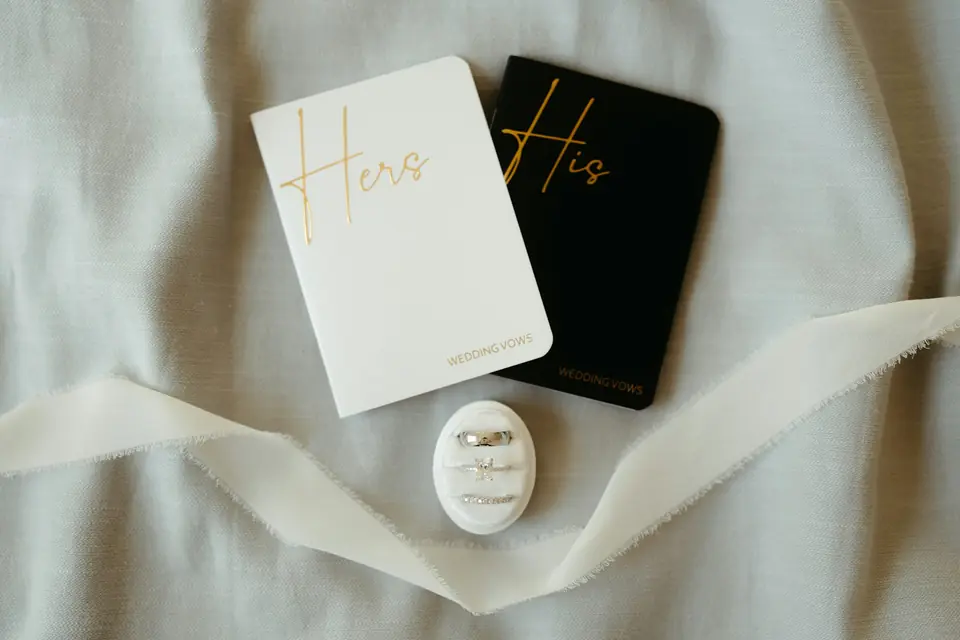
If your ring is a solid solitaire. One well-set diamond or sapphire, no pavé, no halo. The iSonic D2840 is the best consumer unit for regular home use: strong enough to actually clean, gentle enough with the right cycle length. If your setting includes pavé, a halo, or anything besides a single bezel or prong-set stone, skip ultrasonic cleaning entirely and use a soft brush with warm water and a drop of dish soap instead, no unit on this list is safe for that setting, and we're not going to pretend one is.
Our picks at a glance
- Pick 01Editor's pickiSonic D2840 Ultrasonic Jewelry Cleaner
Best for readers with one or two solid solitaire rings who want a no-fuss dedicated jewelry unit, not a multi-purpose cleaner.
- Pick 02Also goodMagnasonic UC71 Professional Ultrasonic Jewelry Cleaner
Best for readers who want the cheapest working option and are disciplined about running the ring by itself, not mixed with other items.
- Pick 03Also goodGemOro LUXESPA Personal Ultrasonic Jewelry & Eyeglass Cleaner
Best for readers cleaning multiple rings of varying setting types who actually want to vary cycle length ring to ring, not a single-band household.
The high-risk list, read this before you run any ring through any unit
Most ultrasonic cleaner product pages say "safe for all fine jewelry." That's marketing, not gemology. The vibration and cavitation that shakes dirt loose from a solid gold band can also loosen glue, widen existing fractures, and rattle stones out of worn prongs. Here's what to actually flag before you press start, regardless of which unit you own:
If your ring has pavé or micro-pavé accent stones, skip the ultrasonic cleaner. Pavé stones are held by tiny shared prongs or beads with very little metal contact. Ultrasonic vibration is a common cause of pavé stones working loose or falling out entirely, especially on rings worn daily and already carrying some prong wear.
If your ring has an opal, skip it. Opals contain water within their structure and are heat- and shock-sensitive; ultrasonic vibration can craze (micro-crack) an opal's surface, and this damage is not reversible.
If your ring is an emerald-cut stone in a prong setting, especially an actual emerald, not just the cut shape, skip it. Emerald-cut corners are the most vulnerable point on any stone for chipping under vibration, and emeralds specifically are almost always clarity-enhanced with oil or resin filling that ultrasonic cleaning can break down, clouding the stone from the inside.
If your ring has pearls, never put it in an ultrasonic cleaner, full stop. Pearls are organic, porous, and will absorb moisture and lose their luster or delaminate under ultrasonic vibration. There is no safe cycle length for pearls in one of these units.
If you don't know whether your diamond is treated (clarity-enhanced or fracture-filled), treat it as if it is until you confirm otherwise. Fracture-filled diamonds look flawless because a filler has been forced into internal cracks. Ultrasonic vibration and the heat some units generate can break down that filler and make the flaw visible again, sometimes permanently.
If your ring falls into a high-risk category, here's what to do instead
If you have pavé, a halo, opals, pearls, or a stone of unknown treatment status, clean it with a soft-bristled brush (a clean, soft toothbrush works), warm water, and a drop of mild dish soap, no ammonia-based jewelry dip, no ultrasonic, no steam. Pat dry with a lint-free cloth.
If you have a solid solitaire. One bezel- or prong-set diamond, sapphire, or ruby, in good condition with no visibly worn prongs, an ultrasonic cleaner on a short cycle (2-3 minutes, not the max setting) is generally fine, and this is where the units below come in.
If you're not sure which category your ring falls into, a 30-second look under a jeweler's loupe or even a bright phone flashlight will usually tell you: check for any stone smaller than your main one, check for visible prong wear, and check the ring's original appraisal for a treatment disclosure.
The picks, compared
| Cleaner | Price Tier | Best For | Buy |
|---|---|---|---|
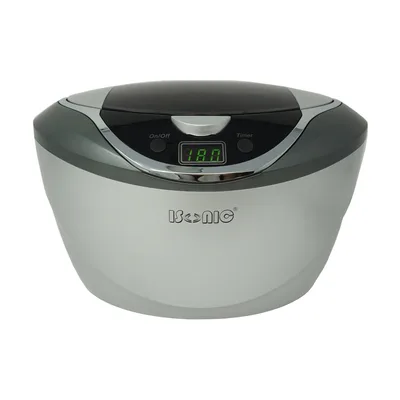 iSonic D2840 iSonic D2840 | Price tier 2 of 4 | Solid solitaires, everyday use | Check price |
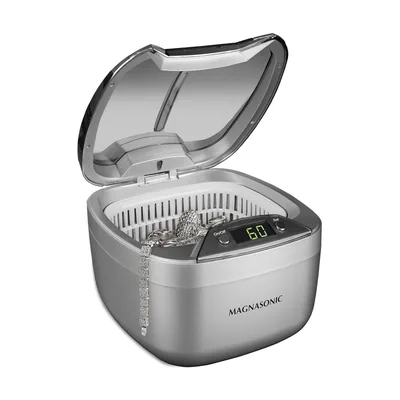 Magnasonic UC71 Magnasonic UC71 | Price tier 1 of 4 | Budget option for basic bands | Check price |
| GemOro LUXESPA | Price tier 3 of 4 | Multiple timed cycles, more control | Check price |
The picks, reviewed
01iSonic D2840 Ultrasonic Jewelry Cleaner
This is the unit we'd point a reader to first for a plain solitaire ring. It's a dedicated jewelry/eyewear ultrasonic cleaner (not a repurposed dental or coin cleaner) with a stainless tank and a removable basket, which matters because dropping loose rings directly on a metal tank floor is how prongs get scratched during cleaning. It's sold with a cleaning solution concentrate, which is a genuine convenience over units that only come with the machine.
- Dedicated jewelry-cleaner design with a basket insert
- Comes bundled with a cleaning solution
- Compact enough for a bathroom counter
- No adjustable cycle-length presets beyond the built-in default timer
- You have to manually stop it early if you want a shorter, gentler run for a stone you're not fully sure about
02Magnasonic UC71 Professional Ultrasonic Jewelry Cleaner
The budget pick, and it's marketed as multi-purpose, eyeglasses, watches, dentures, coins, not just rings. That's a mixed bag: it means you get more use out of one machine, but it also means the design isn't optimized specifically for the way a ring setting needs to sit in the basket to avoid metal-on-metal contact with other items during a shared cycle.
- Lowest price tier of the three, digital timer with a visible countdown, small footprint
- Because it's built and marketed for mixed loads (glasses, dentures, coins, jewelry all in the same tank), running a ring alongside other items risks it knocking against a harder object during the cycle, run rings alone, not mixed in with a load of glasses or coins
03GemOro LUXESPA Personal Ultrasonic Jewelry & Eyeglass Cleaner
GemOro built its name on professional in-store jewelry equipment, and the LUXESPA is the consumer step-down from that line. It's the only unit of the three built with multiple user-programmable timed cycles rather than one fixed run length, which is the single feature that matters most for the "short cycle for a borderline stone" advice above. That flexibility comes at the highest price tier of the three.
- Multiple programmable cycle lengths so you can actually run a shorter, gentler cycle instead of one fixed default, comes from a brand with a longer track record in professional jewelry-cleaning equipment specifically
- Highest price of the three by a meaningful margin, and the extra programmability is wasted if you're only ever cleaning one plain wedding band
- You're paying for control most single-ring owners won't use
Buyer FAQ
Can I put my engagement ring in an ultrasonic cleaner every week?
If it's a solid gold or platinum band with a single well-set round or princess-cut diamond and no other stones, weekly is generally fine. If it has pavé accents, a halo, or any colored gemstone, cut that back to once a month at most, and inspect prongs under light before every single run.
How do I know if my stone is treated or fracture-filled?
Check the original appraisal or grading report that came with the ring, treatments like clarity enhancement (fracture-filling) or fissure-filling are required disclosures and should be listed there. If you don't have that paperwork, don't assume it's untreated; take it to a jeweler for a quick loupe check before running it through any ultrasonic unit.
My ring has loose-feeling stones, is that from the ultrasonic cleaner?
Not necessarily from the cleaner itself, but ultrasonic vibration will make an already-loose prong or already-weakened setting worse, and can knock a marginal stone free. If a stone feels loose before you clean it, get it re-set or re-tightened first, don't run it through any ultrasonic unit until a jeweler has checked the prongs.
Evidence level: ResearchedWe did not run rings through any of these units ourselves.
What we did, and did not do
- What we did
- Verified each unit is real and currently sold, then checked which stones and settings the manufacturers themselves say to keep out of one.
- Last verified
- 5 September 2026
This is desk research, not a hands-on lab test. We did not run rings through any of these units ourselves. What we did do is verify that each unit below is a real, currently-sold consumer ultrasonic cleaner (not a industrial or dental-only unit mislabeled for jewelry), cross-reference their capacity and cycle controls against manufacturer listings, and check their claims against general gemological guidance on which stones and settings ultrasonic cleaning damages. That gemological guidance, which stones are ultrasonic-risk, comes from jeweler and gemological-institute consensus, not from any single cleaner manufacturer's marketing, because manufacturers have an incentive to say "safe for all jewelry" when that isn't true.
Who wrote this
Bobby and Nikki Wiltgen. Married ten years, together sixteen. We run weddings, events, restaurants and short-stay rentals, and we are raising three kids. We label how we know on every post. Read our evidence standard, or more about us.