04Baby guide, 4 picks compared
Nanit vs. Owlet vs. Infant Optics: The Honest WiFi vs. Non-WiFi Baby Monitor Comparison
Editor's pick Infant Optics DXR-8 Pro


If you want reliable video monitoring without an internet connection, an ongoing bill, or any cloud-security exposure, the Infant Optics DXR-8 Pro is the strongest overall pick. It does the core job with the fewest ongoing costs and the smallest attack surface. If you specifically want Owlet's pulse-rate-and-oxygen wearable data, budget for the Owlet360 subscription up front, since the historical health trends (not just live readings) live behind it. And if you want Nanit's sleep-coaching video AI, treat it as a recurring cost, not a one-time hardware purchase. The deeper insights are membership-gated after the trial.
Our picks at a glance
- Pick 01Also goodNanit Pro Smart Baby Monitor
Best for parents who want AI-driven sleep coaching and are fine paying an ongoing membership for it.
- Pick 02Also goodOwlet Dream Sock
Best for parents who specifically want continuous pulse-rate and oxygen data, not just video or audio.
- Pick 03Editor's pickInfant Optics DXR-8 Pro
Best for parents who want dependable video monitoring without an ongoing bill or a camera connected to the internet.
- Pick 04Also goodVTech DM1211
Best for parents who want the cheapest, simplest option and don't feel they need video.
The three categories, plainly
WiFi video monitors (Nanit, Owlet) stream to an app on your phone from anywhere, which is genuinely useful if you travel or want a caregiver to check in remotely, and it's also the category where a monthly or annual subscription and an internet-connected camera both become part of the deal. Non-WiFi video monitors (Infant Optics) send a closed-circuit signal directly from camera to parent unit with no app and no internet connection, so you lose remote access from outside the house but you also lose the recurring bill and the WiFi attack surface. Audio-only monitors (VTech) skip video entirely and just transmit sound over a private radio frequency. The simplest, cheapest, and most limited option of the three.
- If you want video and don't mind paying for AI sleep analysis over time, get the Nanit Pro.
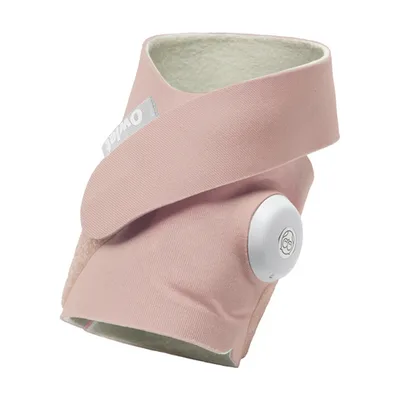 If you want wearable pulse-rate and oxygen data and are willing to pay for the history behind it, get the Owlet Dream Sock.
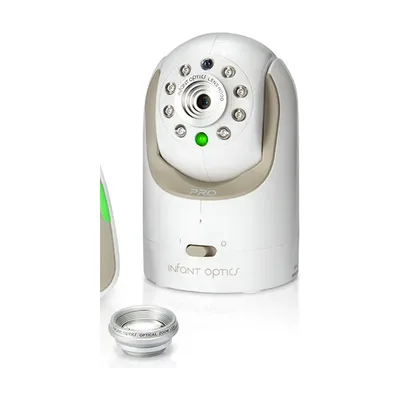 If you want video monitoring with no subscription and no internet connection to worry about, get the Infant Optics DXR-8 Pro.
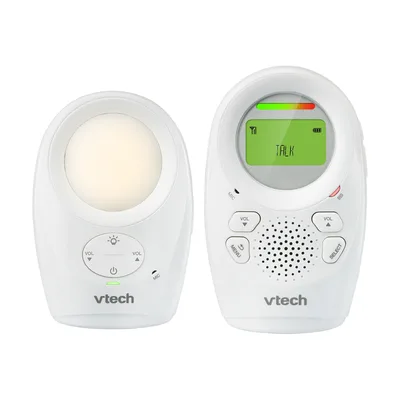 If you only need to hear when the baby wakes and want the least that can go wrong, get the VTech DM1211.
The picks, compared
| Monitor | Price Tier | Best For | Connection | Membership for full features | Video | Buy |
|---|---|---|---|---|---|---|
| Nanit Pro Smart Baby Monitor | Price tier 3 of 4 | Sleep-pattern video analytics (WiFi + subscription) | WiFi | Yes | Yes | Check price |
| Owlet Dream Sock | Price tier 3 of 4 | Wearable pulse rate & oxygen tracking (WiFi + subscription) | WiFi | Yes | No | Check price |
| Infant Optics DXR-8 Pro | Price tier 2 of 4 | Video with no WiFi, no app, no subscription | No WiFi | No | Yes | Check price |
| VTech DM1211 | Price tier 1 of 4 | Budget audio-only, simplest setup | DECT, no WiFi | No | No | Check price |
The picks, reviewed
01Nanit Pro Smart Baby Monitor
Nanit's camera streams 1080p video over WiFi with sound, motion, and cry notifications built in, and the physical hardware, floor stand, wall mount, or crib mount options, is genuinely well designed. What sets Nanit apart from a plain WiFi camera is the sleep-science layer: breathing motion tracking, sleep pattern breakdowns, and milestone tracking. That layer is where the catch is. Nanit's own memberships page confirms the deeper Insights features. The actual sleep analysis, not just live view, require a paid plan after the included trial period, so the camera you bought becomes a recurring cost if you want the feature that made you choose Nanit in the first place.
- Sharp 1080p video, useful basic alerts work without a subscription, strong sleep-tracking data if you do pay for it, well-reviewed hardware
- The sleep-science insights that differentiate Nanit from cheaper WiFi cameras sit behind an ongoing Insights membership after the trial
- Budget for a recurring bill, not just the hardware
- It's also a cloud-connected camera in your baby's room, which means your account security matters
02Owlet Dream Sock
The Dream Sock is a wearable that tracks pulse rate and oxygen saturation and sends real-time alerts to a base station and companion app if a reading falls outside a set range. It's FDA-cleared for infant pulse oximetry, which is a real, verifiable clearance, not a marketing claim, and is the main reason parents choose Owlet over a plain camera. Owlet's own site confirms live readings work with the hardware itself, but the historical trend data and expanded health insights live behind the Owlet360 subscription, following the same pattern as Nanit: base function included, the deeper feature set is a recurring cost.
- FDA-cleared pulse oximetry
- Real-time base-station alerts don't require a subscription
- Works alongside the optional Dream Duo camera bundle
- Historical trends and deeper insights are gated behind the Owlet360 subscription; the sock has to be sized and positioned correctly on the foot or readings and alerts become unreliable, which is a common complaint in user feedback; it's a wearable some babies resist at first
03Infant Optics DXR-8 Pro
The DXR-8 Pro is a non-WiFi, closed-circuit video monitor. The camera talks directly to a handheld parent unit over a private signal, with no app, no cloud account, and nothing that connects to the internet. Infant Optics markets it explicitly as "hack-proof" for exactly that reason, and it's the pick here because it removes the two downsides this whole comparison is built around: there's no subscription to budget for, and there's no WiFi credentials or cloud account to secure. It also has pan-tilt-zoom and an interchangeable lens system, which most non-WiFi monitors don't offer.
- No subscription ever
- No internet connection to secure
- Interchangeable lens and pan-tilt-zoom
- Strong reputation for reliability
- No remote access
- You cannot check the feed from outside your home, since that's the direct tradeoff for not being WiFi-connected
- The parent unit screen is smaller than a phone screen, and there's no app-based sleep analytics or history layer at all if that's a feature you want
04VTech DM1211
The DM1211 is a straightforward digital audio monitor with enhanced range, sold with one or two parent units depending on the bundle. It uses DECT digital transmission rather than WiFi, so like the Infant Optics, it never touches the internet. It's the simplest device in this comparison by a wide margin, no video, no app, no account, no subscription, just sound.
- Lowest price tier here by a clear margin
- No subscription or app ever
- Long claimed range
- Simple setup with no account creation
- No video at all, so you're relying entirely on sound
- You won't see a stuck arm, a rolled-over sleep position, or a pacifier that fell out
- Range and clarity through multiple floors or thick walls can be inconsistent in larger homes, a common theme in user feedback on DECT audio monitors generally
Buyer FAQ
Do WiFi baby monitors like Nanit and Owlet get hacked?
Any camera that connects to the internet is a device someone else could theoretically try to access, and internet-connected home cameras as a category have been a documented target for credential-stuffing attacks reported by security researchers over the years. Reduce the risk with a unique strong password, two-factor authentication if the brand offers it, and keeping the camera's app and firmware updated. A non-WiFi monitor like the Infant Optics DXR-8 Pro sidesteps this risk entirely because it never connects to the internet at all. It's a closed-circuit signal between the camera and the parent unit only.
Do I have to pay a monthly subscription for Nanit or Owlet to work?
The core hardware functions on both work without an ongoing payment: Nanit's camera gives you live video and basic motion/sound alerts, and Owlet's Dream Sock gives you real-time pulse rate and oxygen readings on the base station. But the features that are usually the actual reason someone chooses these over a cheaper monitor, Nanit's sleep-science breakdowns and multi-night trend tracking, Owlet's historical health trends through Owlet360, sit behind a paid membership after any included trial period. Check each brand's current plan page before buying if those deeper features are why you want the product.
Should I get a video monitor or is audio-only enough?
Audio-only is genuinely enough for a lot of families, especially past the newborn stage when you're mainly listening for a wake-up cry rather than watching breathing patterns overnight. Video earns its keep in the first few months, for co-sleeper or bassinet transitions, or if a caregiver other than you wants visual reassurance during naps. It's a real tradeoff in cost and complexity, not just an upgrade, audio-only monitors have far less that can go wrong.
Evidence level: ResearchedNobody on this team has used any of these four monitors.
What we did, and did not do
- What we did
- Verified that every product below is real, currently sold, and accurately described (not discontinued or renamed) through live search.
- Last verified
- 5 September 2026
This comparison is desk research, not a hands-on test, nobody on this team ran all four of these monitors in the same nursery for a side-by-side. What we did instead: verified that every product below is real, currently sold, and accurately described (not discontinued or renamed) through live search; read each brand's own subscription and features pages rather than relying on marketing copy alone; and organized the comparison around the WiFi vs. non-WiFi vs. audio-only split, because that split determines two things most "top 5 monitors" roundups gloss over, what you'll pay after the first year, and what's actually connected to the internet in your baby's room. We did not accept sponsored placements for this ranking.
Who wrote this
Bobby and Nikki Wiltgen. Married ten years, together sixteen. We run weddings, events, restaurants and short-stay rentals, and we are raising three kids. We label how we know on every post. Read our evidence standard, or more about us.