
04Wedding guide, 4 picks compared
Best Garment Steamers for Wedding Dresses: What Actually Gets Out Travel and Packing Wrinkles
Editor's pick PurSteam Standing High-Pressure Garment Steamer
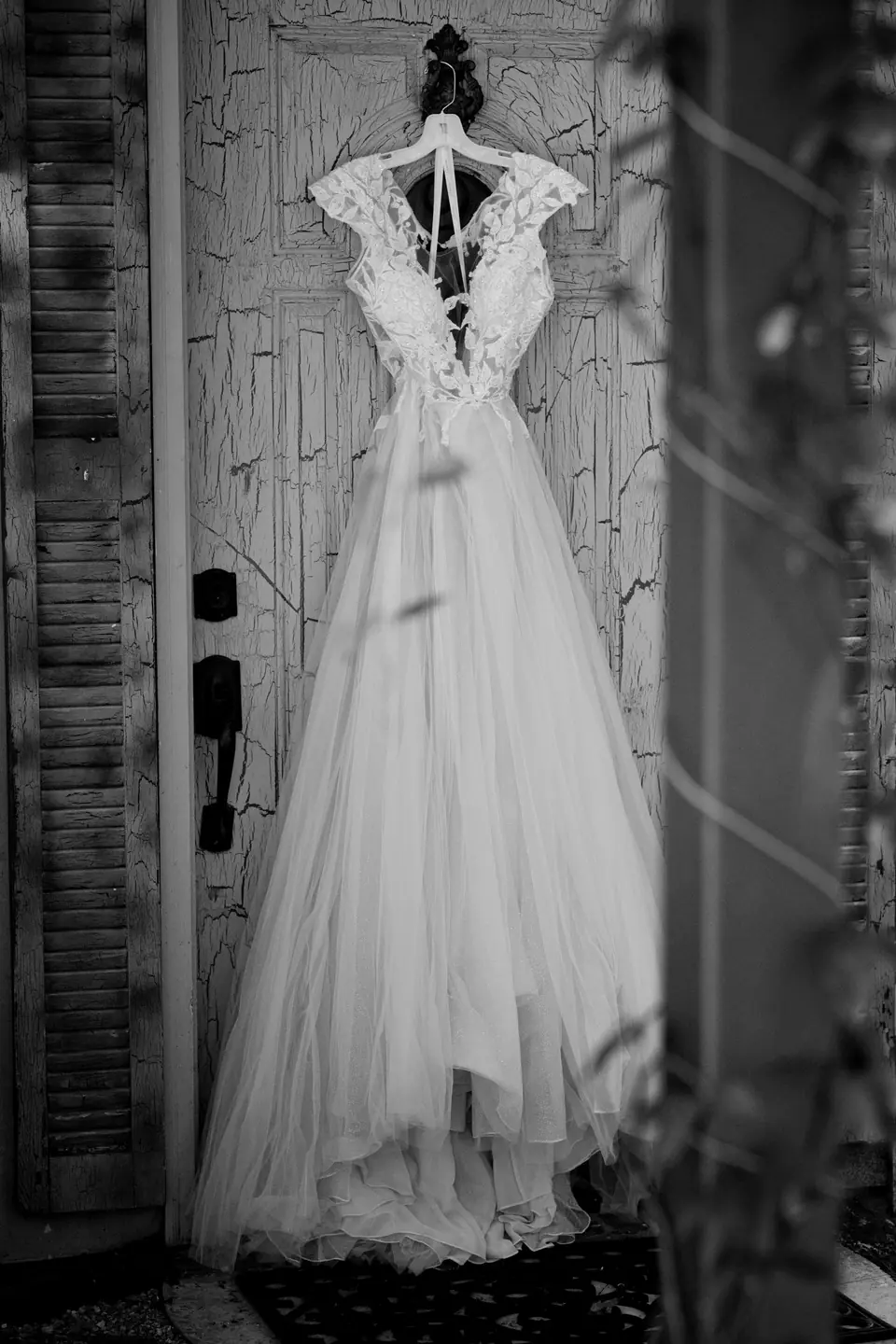
For most brides, the PurSteam Standing High-Pressure Garment Steamer with Wheels is the best overall pick, full-size output with 4 adjustable steam levels, so you can drop to a lower setting for tulle or lace and go full-power on taffeta creasing. If you need something that fits in a suitcase for a destination wedding, the Rowenta Pure Pop Handheld Garment Steamer is the better call, with the caveat that its small tank means more refills and more chances for a stray condensation drip.
Our picks at a glance
- Pick 01Editor's pickPurSteam Standing High-Pressure Garment Steamer
Best for brides steaming a full-structure gown at home or in a hotel room the day before, not on the road.
- Pick 02Also goodJiffy Steamer J-2000
Best for brides who want the same equipment their bridal shop uses, or anyone steaming multiple heavy gowns (bride plus bridal party).
- Pick 03Also goodRowenta Pure Pop Handheld Garment Steamer
Best for destination weddings and last-minute travel-wrinkle touch-ups, not a full steaming job.
- Pick 04Also goodConair Turbo ExtremeSteam Handheld Fabric Steamer
Best for a low-cost backup steamer for touch-ups, not the primary tool for a full gown.
If you're not sure which type you need
Steamer output and portability trade off against each other. Use this to narrow it down before you read the full reviews:
If your dress has heavy taffeta, structured satin, or a full ballgown skirt, get a full-size continuous-feed steamer (Jiffy J-2000 or PurSteam Standing), handheld units run out of water and steam pressure before they finish a skirt that size.
If your dress is mostly tulle, chiffon, or a lightweight overlay, you don't need industrial output. A handheld unit on a lower setting is easier to control and less likely to blast a delicate layer flat.
If you're traveling to a destination wedding and the dress goes in a suitcase, prioritize a handheld with a fast heat-up time over raw power. You're touching up travel wrinkles the morning of, not steaming out a full box-fold crease pattern from scratch.
If you or a bridesmaid will be steaming multiple dresses (bride + bridal party) same-day, get the full-size unit. A handheld's small tank means repeated refill stops that don't scale past one dress.
The picks, compared
| Steamer | Price Tier | Best For | Buy |
|---|---|---|---|
| PurSteam Standing High-Pressure Garment Steamer | Price tier 3 of 4 | Full ballgowns, taffeta creasing, adjustable settings | Check price |
| Jiffy Steamer J-2000 | Price tier 4 of 4 | Heaviest fabric, bridal-shop-grade output | Check price |
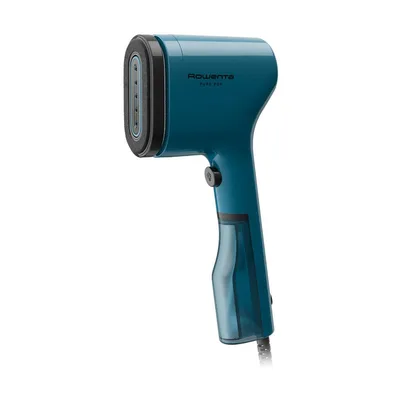 Rowenta Pure Pop Handheld Garment Steamer Rowenta Pure Pop Handheld Garment Steamer | Price tier 2 of 4 | Suitcase travel, light tulle/chiffon touch-ups | Check price |
| Conair Turbo ExtremeSteam Handheld Fabric Steamer | Price tier 2 of 4 | Budget handheld backup, quick spot-steaming | Check price |
The picks, reviewed
01PurSteam Standing High-Pressure Garment Steamer
This is a full-size, wheeled floor steamer with 4 adjustable steam levels. The setting range is the reason it's our top pick over the Jiffy, because it gives you a genuinely lower-output option for tulle netting and lace overlay instead of one fixed blast level. On the higher settings it has enough continuous output to work a taffeta crease line without stopping to reheat. The telescoping pole and garment hanger clip make it workable for a full ballgown skirt without a second person holding fabric taut.
- Adjustable steam levels for different fabric weights, large removable water tank means fewer refill stops mid-dress, wheeled base makes it easier to work around a full skirt than holding a handheld the whole time
- It's a large appliance to store
- This isn't something you throw in a car for a destination wedding, and assembly (pole, hose, hanger) takes a few minutes before first use
02Jiffy Steamer J-2000
The J-2000 is the professional-duty unit bridal shops and alteration studios actually use. It's a fixture in the garment-care industry, not a repackaged consumer appliance. Output is continuous and strong enough to relax deep taffeta and satin creases from shipping or packing in one pass. It does not have multiple adjustable steam-level settings the way the PurSteam does, which is the tradeoff for that industrial output, on tulle or fine lace, you need to hold it further from the fabric and keep it moving rather than dialing down the intensity.
- Industry-standard build brides encounter at bridal shops
- Brass couplings rated for repeated heavy use
- Strong enough for the toughest packing creases in one pass
- Highest price tier of anything in this comparison, no low-power setting built in, on delicate tulle or lace you're managing intensity by distance and technique instead of a dial, which is less forgiving for a first-time user
03Rowenta Pure Pop Handheld Garment Steamer
Rowenta markets this specifically as a travel steamer, and the 15-second heat-up and compact size back that up. It's realistic to pack for a destination wedding or fly-out reception in a way the two full-size units above aren't. The tank is small by design, which is the direct tradeoff for the portability: on a full ballgown you'll be refilling repeatedly, and a small tank on any handheld steamer runs a higher risk of spitting condensation droplets in the first few seconds before it's fully up to temperature, keep it moving on the first pass rather than holding it still over lace or beading.
- Fast 15-second heat-up
- Genuinely travel-sized and lightweight
- Low learning curve for a first-time user the morning of the wedding
- Small 2.3 oz tank means it's realistic for touch-ups only, not a full packing-crease overhaul on taffeta; frequent refills on a bigger dress
04Conair Turbo ExtremeSteam Handheld Fabric Steamer
This is the budget handheld in the lineup and it's a reasonable backup unit rather than a primary tool for the actual dress. It's widely available at Best Buy, Walmart, and Home Depot in addition to Amazon, which makes it easy to grab last-minute if a steamer gets left behind or breaks. Buyer feedback for handheld steamers in this category consistently flags water-spitting as an issue when the unit hasn't fully heated or when it's tilted at the wrong angle, which is a real risk on lace or silk-adjacent fabrics specifically. This is a category-wide handheld tradeoff, not unique to this model, but worth flagging since it's the cheapest unit here and the one most likely to be someone's only steamer.
- Lowest price tier of the group
- Widely available at multiple retailers for a same-day backup purchase
- Dual-heat setting gives some control over intensity
- Small handheld tank means constant refills on a full dress; like most compact handhelds, it can spit water droplets if used before fully heated, which is a real risk near delicate lace or beading
Buyer FAQ
Can steaming actually damage a wedding dress?
Yes, mainly two ways: water spotting from condensation drips (common on handheld steamers with small tanks that haven't fully warmed up) and heat damage to sequins, beading glue, or synthetic lace if the steam head touches the fabric directly. Always steam from a few inches away, never press the head into the dress, and test on an inside seam first.
Will a steamer get taffeta creases out from being packed in a suitcase or shipping box?
Deep, sharp folds in taffeta or structured satin respond better to steam than an iron would, but a single handheld pass usually isn't enough. Expect to work each crease line for 20-30 seconds with the fabric pulled slightly taut, and a higher-output steamer will get there faster than a low-wattage travel unit.
Do I need a full-size steamer, or is a handheld enough?
A handheld can manage light travel wrinkles on tulle or chiffon overlays, but for a full ballgown with taffeta structure or heavy lace, a full-size floor steamer produces continuous higher-pressure steam and won't run out of water halfway through the skirt.
Evidence level: ResearchedWe did not steam anything with any of these units ourselves.
What we did, and did not do
- What we did
- Verified each product is real and currently sold, cross-referenced manufacturer specs and buyer feedback patterns against the three failure modes that actually come up with wedding dresses.
- Last verified
- 5 September 2026
This is desk research, not a hands-on lab test. We did not steam anything with any of these units ourselves. What we did instead: verified each product is real and currently sold, cross-referenced manufacturer specs and buyer feedback patterns against the three failure modes that actually come up with wedding dresses, tulle netting that snags or flattens under direct contact, lace overlay that can scorch or water-spot if steam sits too close, and taffeta or structured satin creasing from being folded in a shipping box or suitcase, and flagged anywhere a manufacturer spec or a common complaint pattern couldn't be verified rather than guessing. If you want a true fabric-by-fabric hands-on comparison, a bridal seamstress or dress preservation specialist is a more reliable source than any steamer roundup, including this one.
Who wrote this
Bobby and Nikki Wiltgen. Married ten years, together sixteen. We run weddings, events, restaurants and short-stay rentals, and we are raising three kids. We label how we know on every post. Read our evidence standard, or more about us.
Related reads
 Bridal Shapewear for Backless, Lace, and Mermaid Gowns: What Actually Stays Invisible
- Bridal Hair Accessories and Veil Alternatives: Combs, Vines, and Headpieces That Survive a Full Day of Dancing
 Bridesmaid & Bride Getting-Ready Robes: Satin vs. Silk vs. Cotton, Compared for Photos and Comfort (2026)