04Wedding guide, 4 picks compared
Bridesmaid & Bride Getting-Ready Robes: Satin vs. Silk vs. Cotton, Compared for Photos and Comfort (2026)
Editor's pick Rubruan 100% Silk Kimono Robe

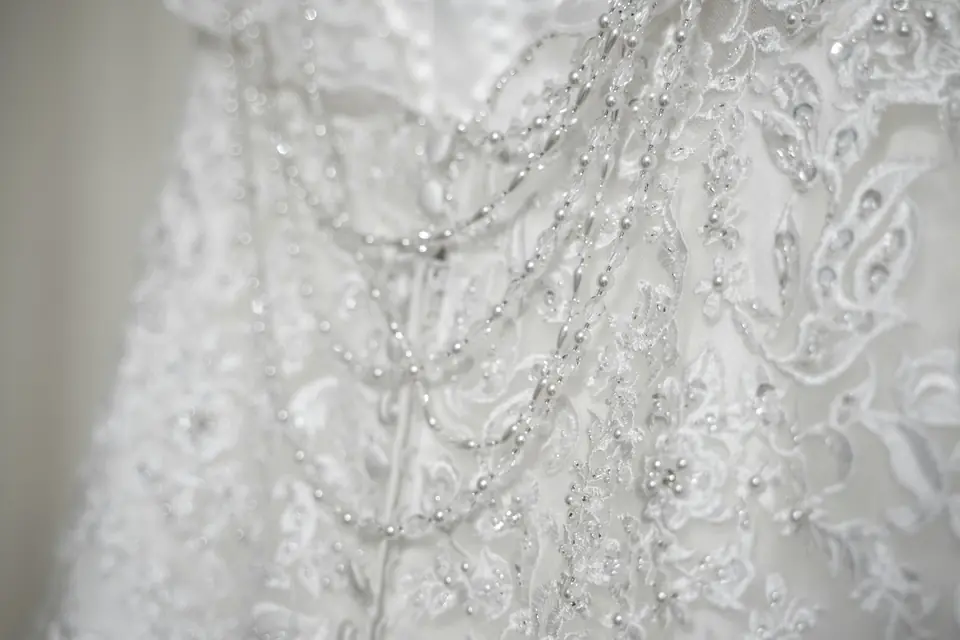
If you want one robe that photographs almost as well as satin without turning into a sweat-mirror by 10am, get the Rubruan 100% Silk Kimono Robe. It's the material that actually solves the tradeoff, not just a nicer-looking version of the same problem. If you're outfitting a full bridal party on a budget and your getting-ready window is under two hours in an air-conditioned room, the Vamelia Satin Kimono Bridal Party Bathrobe is the better buy, satin's downsides mostly show up when hair and makeup run long. If your wedding is in a hot or humid climate, outdoors, or your getting-ready window runs three-plus hours, skip the sweat risk entirely and get the TEEAMORE Embroidered Waffle Kimono Robe, cotton waffle absorbs sweat instead of showing it, at the cost of a flatter, less photogenic finish than satin or silk.
Our picks at a glance
- Pick 01Editor's pickRubruan 100% Silk Kimono Robe
Best for the bride's own robe on a long getting-ready day, or a small party willing to pay more per robe for one that actually performs.
- Pick 02Budget pickVamelia Satin Kimono Bridal Party Bathrobe
Best for bridal parties of 4+ on a budget with a tight, air-conditioned getting-ready timeline.
- Pick 03Also goodAW BRIDAL Satin Robe with Lace Trim
Best for parties who want satin's photo quality but need more than one color to work with.
- Pick 04Also goodTEEAMORE Embroidered Waffle Kimono Robe
Best for summer or outdoor weddings, humid climates, or any getting-ready window over three hours.
The picks, compared
| Robe | Material | Price Tier | Best For | Buy |
|---|---|---|---|---|
| Rubruan 100% Silk Kimono Robe | Mulberry silk | Price tier 4 of 4 | Best all-around, photographs well, breathes well | Check price |
| Vamelia Satin Kimono Bridal Party Bathrobe | Satin, lace trim | Price tier 1 of 4 | Full bridal-party sets on a budget, short timeline | Check price |
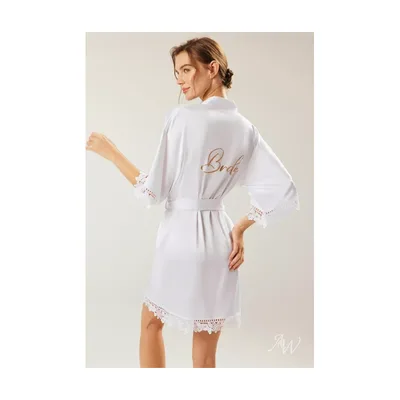 AW BRIDAL Satin Robe with Lace Trim AW BRIDAL Satin Robe with Lace Trim | Satin, lace trim | Price tier 2 of 4 | More color/print options across a matching set | Check price |
| TEEAMORE Embroidered Waffle Kimono Robe | Cotton waffle weave | Price tier 2 of 4 | Hot, humid, or long getting-ready windows | Check price |
The picks, reviewed
01Rubruan 100% Silk Kimono Robe
This is the material that actually resolves the satin-vs-cotton tradeoff instead of just being a nicer version of one side of it. Silk is a protein fiber, which means it absorbs and releases moisture instead of letting it sit on the surface the way polyester satin does, so it stays cooler against skin during a long hair-and-makeup session and doesn't develop the visible sweat sheen satin can by mid-morning. It still has the light-catching drape that photographs well, closer to silk's reputation than to a flat cotton weave. This particular robe is sold as a general silk bathrobe with a floral print option, not marketed specifically as bridal wear, so there's no "Bride" or "Bridesmaid" text version. You're buying the fabric performance, not a matching branded set.
- Breathes and regulates temperature far better than satin during long wear; drapes and catches light well in photos; genuinely reusable as a robe after the wedding, unlike most bridal-specific satin sets
- Real silk needs hand-washing or dry cleaning
- Most bridesmaids will not do this after one wear, and machine-washing it will damage the fabric; it's not sold as a matching labeled bridal-party set, so coordinating a full party in it costs more per robe and takes more sourcing effort than buying a bridal-branded satin set
02Vamelia Satin Kimono Bridal Party Bathrobe
This is the standard bridal-party satin play: a kimono-style robe with lace trim, sold specifically with "Bride" and "Bridesmaid" labeling so a full party matches without you having to source separate embroidery. Satin's sheen genuinely photographs beautifully. It's why it dominates every getting-ready photo gallery, and for a party that's in and out of hair and makeup in under two hours in an air-conditioned space, the heat-retention downside mostly never becomes visible. Push past that window, or do it in a warm room, and the tradeoff shows up: poly-satin doesn't absorb sweat, it sits on the surface, so underarm and back moisture becomes a visible dark patch under the same sheen that made it photogenic in the first place.
- Bridal-specific labeling makes outfitting a full party simple; lace trim reads well in photos; the cheapest of the four robes here, which matters when you're buying 6-10 at once
- Poly-satin traps heat and shows sweat as a visible dark patch if hair and makeup run long or the room isn't air-conditioned
- The exact tradeoff this guide is built around
03AW BRIDAL Satin Robe with Lace Trim
Same material tradeoffs as the Vamelia pick above. It's still poly-satin, so it still photographs well and still runs hot the same way, but this one comes from a brand with a wider color and print catalog if you want the party in more than one shade, or want a short-length silhouette specifically. It sits one price tier above the Vamelia option.
- Broader color and print selection than most bridal-satin brands; short kimono length is easier to move in during hair and makeup than a full-length robe
- Same heat-and-sweat tradeoff as any poly-satin robe
- This doesn't solve that, it just adds color options; short length means less coverage if that matters to your party
04TEEAMORE Embroidered Waffle Kimono Robe
Cotton waffle weave is the opposite bet from satin: it's woven with an open, textured structure that absorbs moisture into the fabric itself instead of letting it sit on the surface, so it stays comfortable through a long, warm, or humid getting-ready session. That absorbency is also exactly why it photographs flatter. The texture doesn't catch light the way satin's smooth surface or silk's sheen does, so in photos it can read as slightly muted or gray instead of crisp. This one adds personalized embroidery, which is the main reason to pick it over a plain waffle robe.
- Genuinely breathable and comfortable for long wear; absorbs sweat instead of showing it; personalized embroidery option for a nicer keepsake after the wedding
- The flat texture is the least photogenic of the three fabric types here, especially in formal detail shots or under harsh venue lighting
- This is the real cost of the comfort tradeoff, not a minor style note
Buyer FAQ
Does satin really show sweat more than cotton or silk?
Yes, and it's a material issue, not a quality issue. Poly-satin doesn't absorb moisture. It sits on top of the fabric, so underarm and back sweat shows as a visible dark patch and the surface sheen makes it more noticeable in photos, not less. Silk wicks moisture away from the skin so it shows less. Cotton and waffle weaves absorb sweat into the fabric itself, so you feel damp before it's visible from a few feet away.
If I can only buy one robe, satin or silk?
It depends on your getting-ready timeline. If hair and makeup for the full party is under two hours and the room is air-conditioned, satin is fine and it's the cheaper option for outfitting a full bridal party. If you're looking at three-plus hours, an outdoor or un-air-conditioned getting-ready space, or a summer date, silk holds up noticeably better and is worth the higher price tier for at least the bride's robe.
Do waffle cotton robes photograph as badly as everyone says?
They photograph flatter, not bad. Waffle texture has no sheen, so it doesn't catch light the way satin or silk does, and in bright venue lighting or with flash the texture can read as muted or slightly gray instead of crisp white or blush. Close, casual candids (coffee in hand, laughing with the group) still look great. Formal detail shots. The robe draped over a chair, monogram in focus, are where the flat photography shows up most.
Evidence level: ResearchedWe did not put these robes on and shoot a getting-ready session ourselves.
What we did, and did not do
- What we did
- Compared the three fabrics bridal parties actually buy, satin, silk and cotton waffle, on the tradeoffs that show up in photographs and in wear.
- Last verified
- 5 September 2026
Most "bridesmaid robe" content ranks these on lace trim and color options and stops there. We compared the three fabric categories bridal parties actually buy, satin, silk, and cotton/waffle, on the tradeoffs that matter once the robe is actually being worn for three-plus hours of hair, makeup, and photos: heat retention, how visible sweat is on the surface, and how each fabric reads in camera. This is desk research, not a physical wear-test. We did not put these robes on and shoot a getting-ready session ourselves. What follows is based on each product's verified fiber content and weave as listed by the seller, documented behavior of those fiber types under heat and moisture (a standard textile property, not specific to any one robe), and confirming through live search that each product is real, currently sold, and accurately categorized.
Who wrote this
Bobby and Nikki Wiltgen. Married ten years, together sixteen. We run weddings, events, restaurants and short-stay rentals, and we are raising three kids. We label how we know on every post. Read our evidence standard, or more about us.